

Welcome to Find Better Accountants
Over 90% of Business
see genuine improvement with the right Accountant
Our Free Service is to match the right accountant to your needs to ensure the growth and success of your business or personal position. A quality match will assist with growth and advisory- success comes from doing more than just the numbers.
High Cashflow Multi-Income
Investment Property
After 30 Years of specialising in assisting Accountants clients with their tailored property solutions, we are now available direct.
We will help you navigate the complexities of sourcing and buying the right property, to perform to your needs.
Avoid the pitfalls, avoid poor negative geared choices, avoid the huge mistakes property investors make that prevents them from creating a successful growth portfolio. Get it right from the start and we can assist you to build a positive passive income cashflow portfolio.
Claim your Free Property Investing Masterclass in 2026 - Limited Numbers
HIGH CASHFLOW MULTI-INCOME INVESTMENT PROPERTY & EQUITY UPLIFT
"Our Strategies will Empower Your Property Investing"
After 30 Years of assisting Accountants and Financial Planners clients with their tailored property solutions, we are now available direct. We help you navigate the complexities of creating a tailored strategy for succesful property investment.

Welcome to Credit Repair
WE HELP
TO GROW YOUR BUSINESS

Lorem Ipsum is simply dummy text of the printing and typesetting industry.
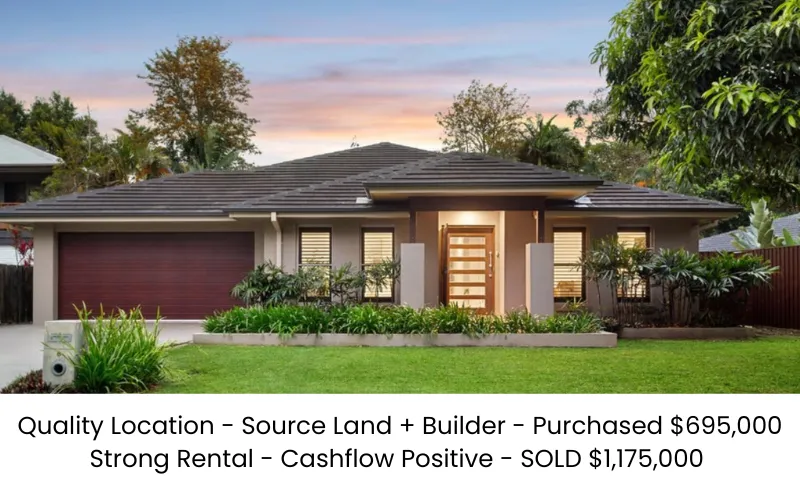
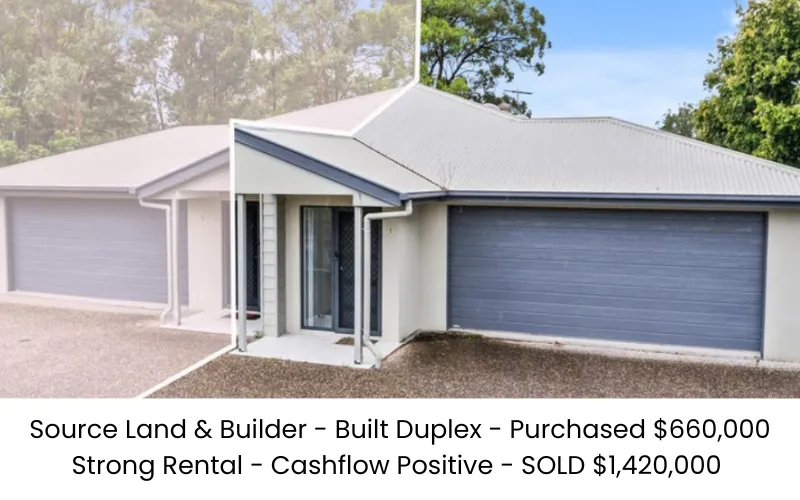
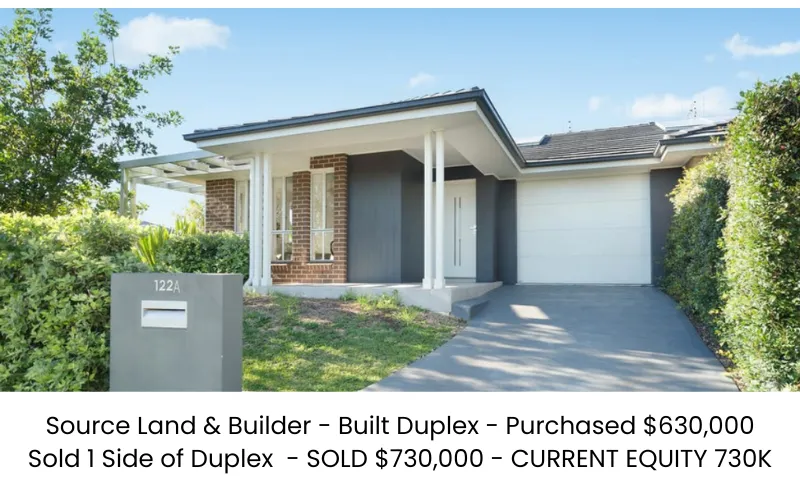
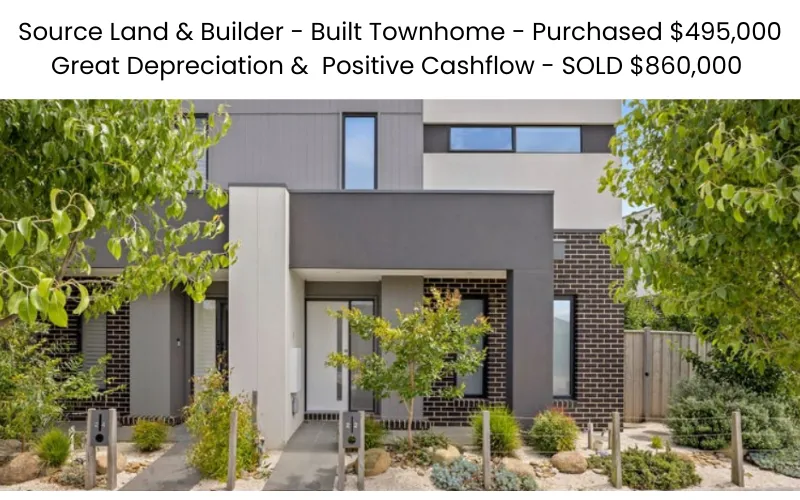
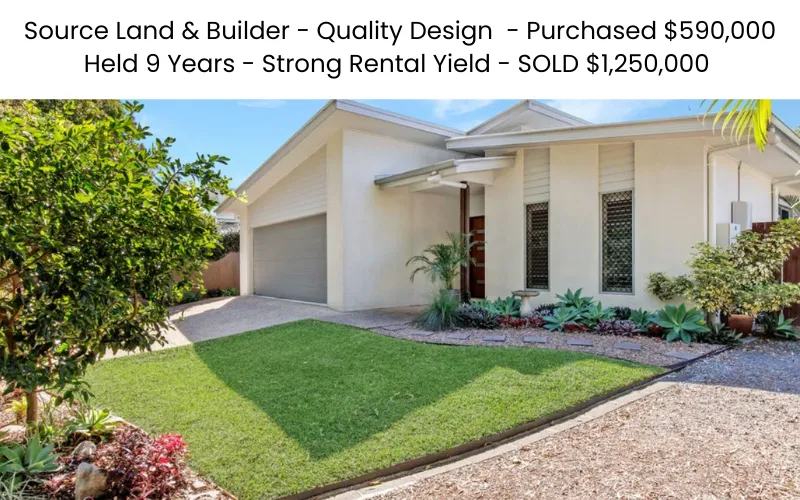
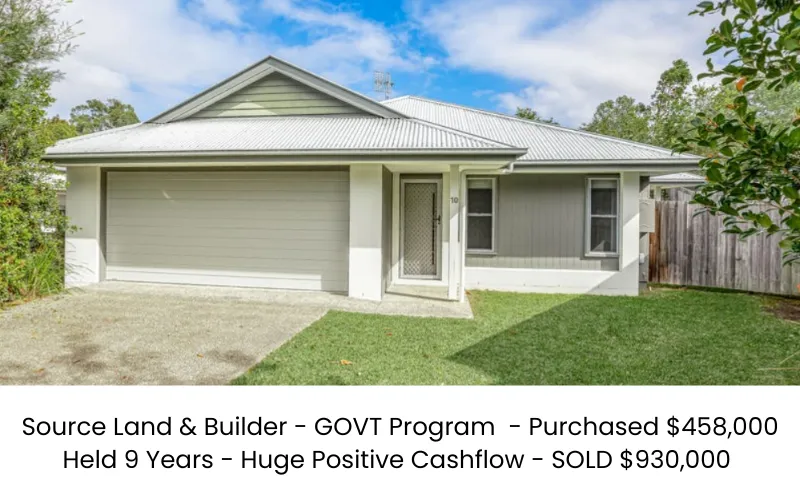
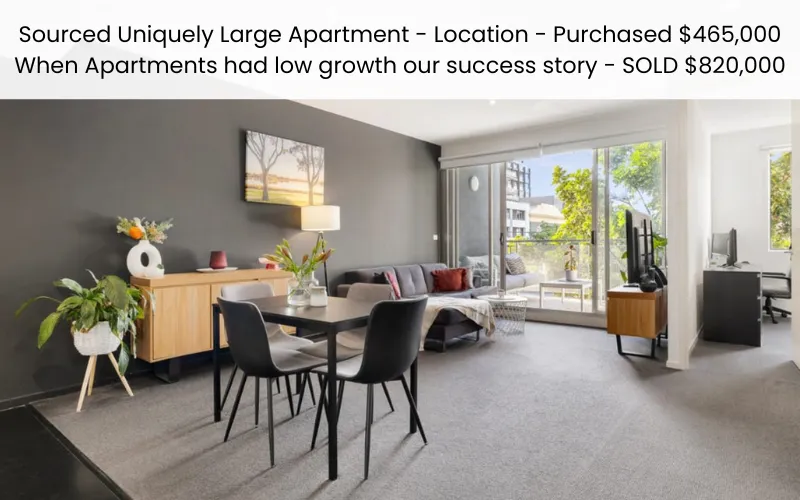
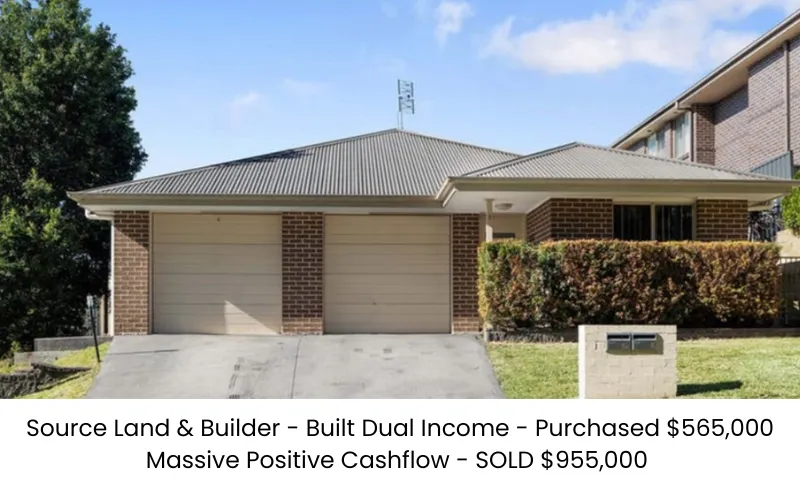
Real Life Property Portfolio Results
A glimpse into the portfolios we've helped built.
A glimpse into the portfolios we've helped built.
Real acquisitions and portfolio outcomes from the Investment Property Buyers book.
Strategy, selection, and settlement handled end to end.



About Us
Our Director, Martin Wyatt has assisted with $1.4 Billion+ in property purchases
After being the "High Cashflow Multi-Income Investment Property Professional" who specialises in assisting Accountants clients from the late 1990's to today, Martin spends hours each day assessing property to achieve the right results for our clients.
Our role is to assist Buyers with their investment property purchases, with the right property to meet their needs for today and beyond. Knowing that we can develop an effective investment strategy for each individual client that matches their best interests, for the Short - Mid - Long term, means building a true property portfolio.
Martin is the trusted Investment Estate Agent, that has enabled clients to comfortably build multi property portfolio's that avoid the road blocks, pitfalls and lending restrictions that often see people restricted on building an effective portfolio.
Learn for Free. No obligation. Zero Cost.
When Property Investing we must avoid the pitfalls, so may investors make. Maintaining independent advice, and sourcing the key individuals/businesses to form your property partners team means quality services. We think Short-Mid-Long term for your success!
Real Service means more than just numbers.

Interpretation of Research and Analysis "Is The key"
The overwhelming volume of data and information. needs interpretation to assess indicators on how property can be positively or negatively impacted.

Property Strategy Alignment & Tax Effectiveness!
Maximising Tax benefits that adheres to NEW 2026 Tax Changes.
Compliance with ATO rules, and PIA Professional Investment Analysis.

Accurate Forecasting of Expenses & Returns
Understanding preparation and lodgement of the fund's annual tax return, and advice on concessional and non-concessional contributions.

Investment Strategy Development
Tailored advice must be tailored, personal circumstances to achieve the best outcome for their goals and retirement. Right strategy great results!

Sourcing & Securing the right Property
Sourcing the right Property Selection includes 24+ Key Tracking criteria and price is negotiated to obtain best results.

"Going Beyond"
Set Up Operational & Next Steps
We can work with you each step of the way, securing the right property and building a great Property Portfolio .
Is Your Property Strategy Maximising Returns?
Discover the right investment property strategy to optimise and enhance your ability to achieve your objectives. Without the right strategy, most Australian's stall at just one investment property. Your strategy is the key to success, sourcing the right property that matches and delivers the stepping stones to reaching the property portfolio that builds you a better future.
Schedule a free consultation today and take the next step towards financial clarity, regulatory compliance, and achieving your property and therefore financial goals with expert advice.
01
Explore & Discover Your Potential
Understanding your current position, goals, and risk profile.
02
Verifying Potential Via Financial Capacity
A great property portfolio is designed and tailored to you.
03
Your Property Investment Strategy Session
Developing the tailored stepping stones to build your portfolio.
04
Research Analysis & Expert Interpretation
Identifying growth corridors and high-performing locations.
05
Property, Strategy Alignment & Structure
Sourcing properties that match the strategy and offer solid growth.
06
Property Selection, Acquisition & Negotiation
Overseeing the properties build, completion, handover & set up with a select Property Manager to ensure your property performs.
07
Portfolio Growth & Wealth Optimisation
Ongoing review to ensure your portfolio continues to build wealth.
Free. No obligation. Zero Cost.
What Clients Say About Us

Right from meeting Martin, we knew we were in brilliant hands. His knowledge of locations went beyond stats, the Property found and then the PIA Report he presented was incredibly accurate and after 3 years is still spot on today! Thanks you for assisting us to build our property portfolio.

Marc Middleton
Private & Family Trust Investor
Vic & Qld based Property Investor.
Thank you for assisting close to 40 of our clients in the last 3 years. Each client has a property that matches their given strategy, the right cashflow, and with many of them now buying multiple properties this has set them up for life! We appreciate your vast knowledge of locations, infrastructure and your accuracy on PIA reporting. Thank you so much!
Joel Ganino
Financial Planner, Melbourne VIC
Frequently Asked Question
What is a buyer's agent, or a buyer's membership and how is it different from a real estate agent?
A buyer's agent is meant to work exclusively for the property investor, not the seller. A real estate agent is engaged (and paid) by the vendor to get the highest possible price for their property. A buyer's membership agent like Investment Property Buyers sources, assesses and negotiates on your behalf, with your strategy and financial position as the priority. We operate with a buyers membership model that sees a small membership fee to provide a tailored solution for your needs. Generally once happy with the property and price, we seek the new property builder to pay for your membership, making ours a free service.
What do we cover in a Discovery Meeting?
A free 30-minute Discovery Meeting is where we learn about your current financial position, goals and starting point, and you learn how we work. It's a no-obligation conversation, not a sales pitch — the outcome is clarity on whether a tailored Investment Property Strategy makes sense for you. Book a free Discovery Meeting.
What is an Investment Property Strategy, and why do I need one?
An Investment Property Strategy is a step-by-step plan built around your individual cash flow, equity, income, age and goals. Because everyone starts from a different position, a strategy that worked for someone else may not suit you — the components (cash flow, borrowing capacity, timeframe, risk tolerance) all need to be assessed together before you buy.
How much does it cost to use Investment Property Buyers?
Our Buyers Membership Fee is typically between $2,500 and $5,000 vary dependent on the scope of work, but every engagement starts with a free, no-obligation Discovery Meeting and our fee only applies after we have secured a property, obtained finance and funding to comfortably proceed. Then we ask that the new property builder pay this on your behalf, thus making our service typically free.
How long does it take to build a property portfolio?
Timeframes depend on your starting equity, borrowing capacity and goals, but most clients build their portfolio in stages over several years rather than all at once. Each purchase is assessed against your strategy and current financial capacity before moving to the next step — this is deliberate, not a delay.
What is the benefit of an Investment Property specialist Mortgage Broker?
The knowledge of investment property strategies of how each lender assesses investors lets them structure and sequence your loans so you can borrow more, protect your cash flow, and keep growing your portfolio. This is incredibly helpful and can save buyers a considerable amount of funds over the investing journey and assist in building a portfolio easier.
Why should I use an Property Investment Accountant?
A property investment accountant ensures your purchase and ownership structure comply with Australian tax law — including ATO requirements and, for SMSF purchases, the Superannuation Industry (Supervision) Act (SISA). Beyond compliance, they help optimise your tax position, manage lodgements, and structure ownership entities to support long-term portfolio growth.
Can I buy an investment property through my SMSF?
Yes, subject to strict SISA rules — including using a Limited Recourse Borrowing Arrangement (LRBA) if borrowing within the fund, and ensuring the property meets the sole purpose test. This is a specialised area that requires your accountant and financial planner to be involved from the outset, and it's a core part of how we work alongside your existing advice team.
How does Tax Depreciation work on New and Established Property?
Only new property is currently eligible for plant and equipment depreciation under Australian tax law; established property depreciation benefits are far more limited. A Year 1 depreciation claim on a new property can be substantial (commonly $12,000–$18,000), which materially reduces your taxable income and can be claimed either at tax time or progressively through reduced PAYG withholding.
Negative Gearing, how does it work and should I use it?
Negative gearing occurs when a property's holding costs (interest, rates, management, insurance, maintenance) exceed its rental income. The result can be an "artificial" negative gearing position driven mainly by non-cash costs like depreciation, or a genuine cash loss — the difference matters, and needs to be weighed against expected capital growth over your holding period. This is a strategy decision best made with your accountant, not a default setting.
Buffer or Reserve Funds?
A cash buffer covers periods of vacancy or unexpected costs so you're not forced to sell during a lean period. Since quality investment property has historically grown at 7–8% or more annually in Australia over the long term, having enough reserve to hold through short-term gaps is essential to capturing that growth. New properties generally require a smaller buffer than established ones, given lower near-term maintenance needs.
How much maintenance is expected and who pays for it?
Maintenance is the property owner's (investor's) responsibility. New properties typically need little maintenance for the first 7–10 years, and rental increases over that period generally more than offset any costs that do arise. Established properties can require maintenance from year one, which is where buffer funds become particularly important.
How do you choose the right investment property?
We assess key factors including capital growth potential, rental demand, vacancy rates, local infrastructure projects, economic drivers, demographics, and long-term market performance. Our recommendations are data-driven, not emotionally driven.
What ongoing support do you provide after settlement?
Our role doesn't end at settlement. We help align you with a select property manager, oversee build and handover where relevant, and provide ongoing portfolio review to keep your strategy on track as your circumstances and the market change.
Is it better to buy new or established property?
New property generally offers stronger depreciation benefits, lower near-term maintenance and a smaller required cash buffer, while established property may offer different growth or renovation potential depending on location. The right answer depends on your strategy, cash flow position and risk tolerance — it's assessed case by case, not a blanket rule.
Why choose Investment Property Buyers?
We focus on strategy before property selection. Our goal is to help you build long-term wealth through carefully selected investment properties that align with your financial goals, rather than simply helping you buy real estate.